Saltwater Fishing Rigs: Exploring Techniques for Success
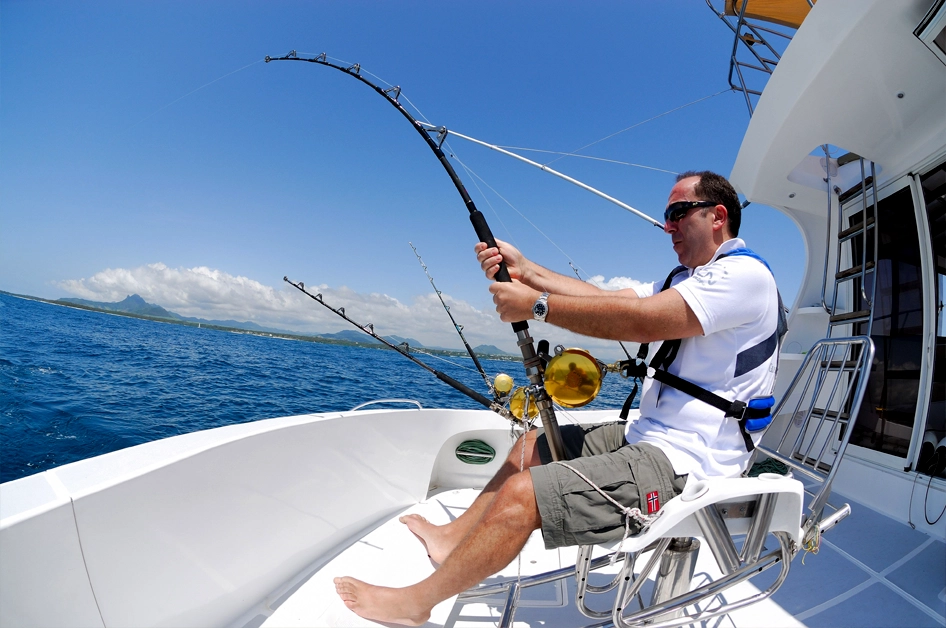
Saltwater fishing is a thrilling adventure that requires the right techniques and equipment. Among the essential components of successful saltwater fishing are fishing rigs. These rigs are carefully designed setups that include various components to attract and catch saltwater species. In this comprehensive guide, we’ll delve into the details of saltwater fishing rigs, exploring their types, components, and how to use them effectively to enhance your fishing success Saltwater Fishing Rig Techniques: Exploring Success.
Understanding Saltwater Fishing Rigs
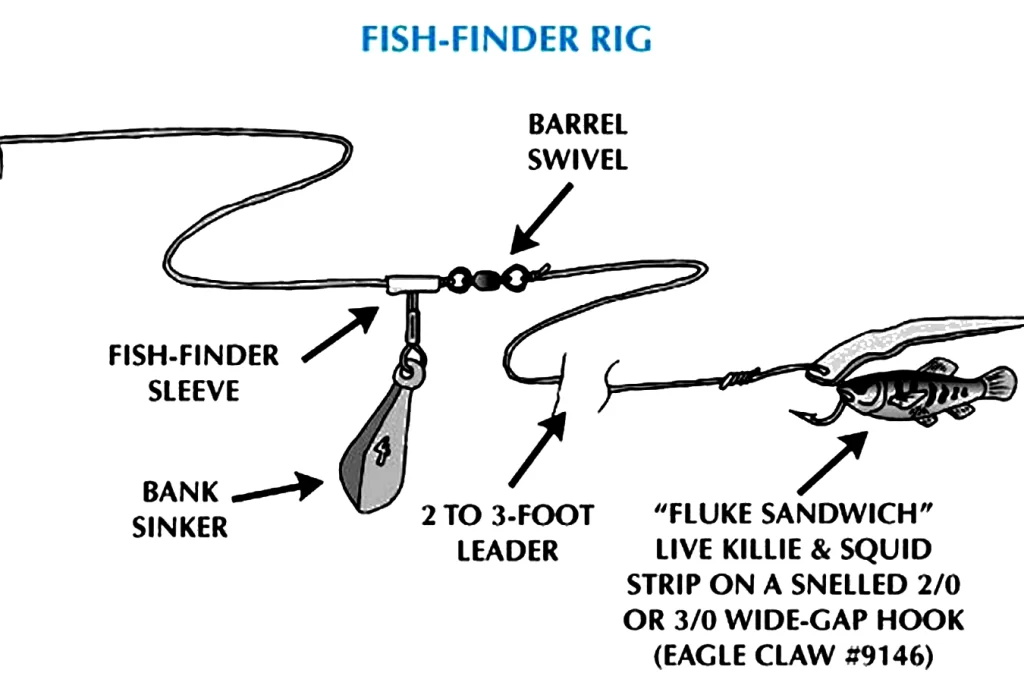
Saltwater fishing rigs are specialized setups that combine various components to attract fish. The choice of rig depends on the target species, fishing location, and prevailing conditions. Different rigs are designed to present baits or lures in specific ways to entice fish to bite.
The Importance of Choosing the Right Rig
Selecting the appropriate saltwater fishing rig is crucial for success. Using the right rig enhances your chances of attracting the desired species while minimizing the risk of getting snagged or tangled. Understanding the characteristics of different rigs and when to use them will significantly improve your fishing results.
Common Types of Saltwater Fishing Rigs
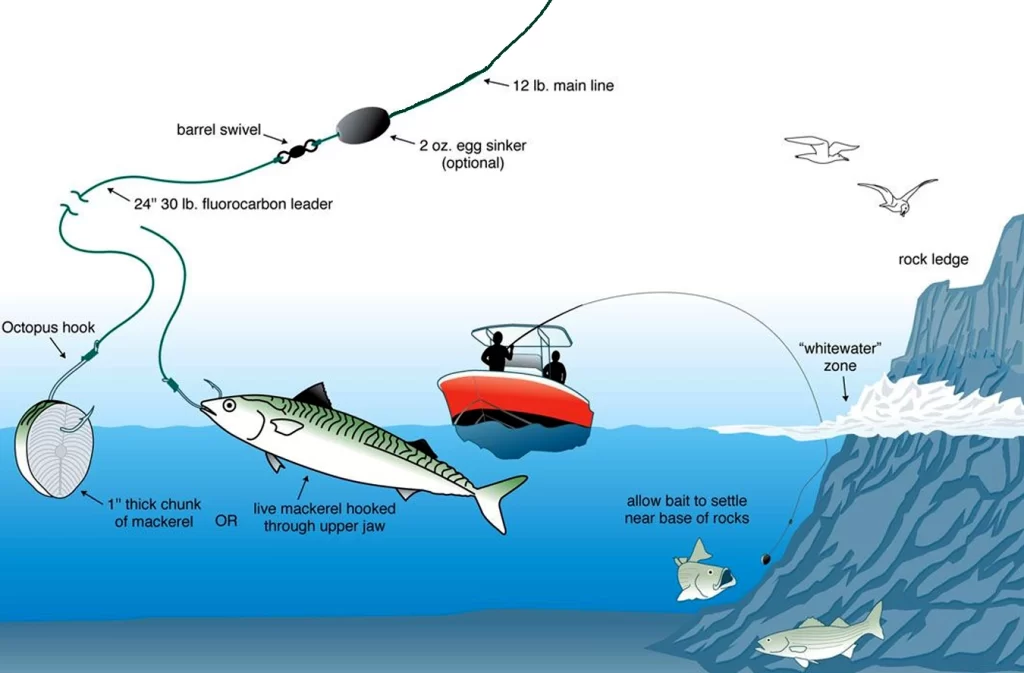
1. Bottom Rigs
Bottom rigs are designed for fishing near the seabed, targeting species that feed close to the ocean floor. They consist of hooks, sinkers, and leader lines, allowing baits to reach the bottom where fish are often found.
2. Carolina Rigs
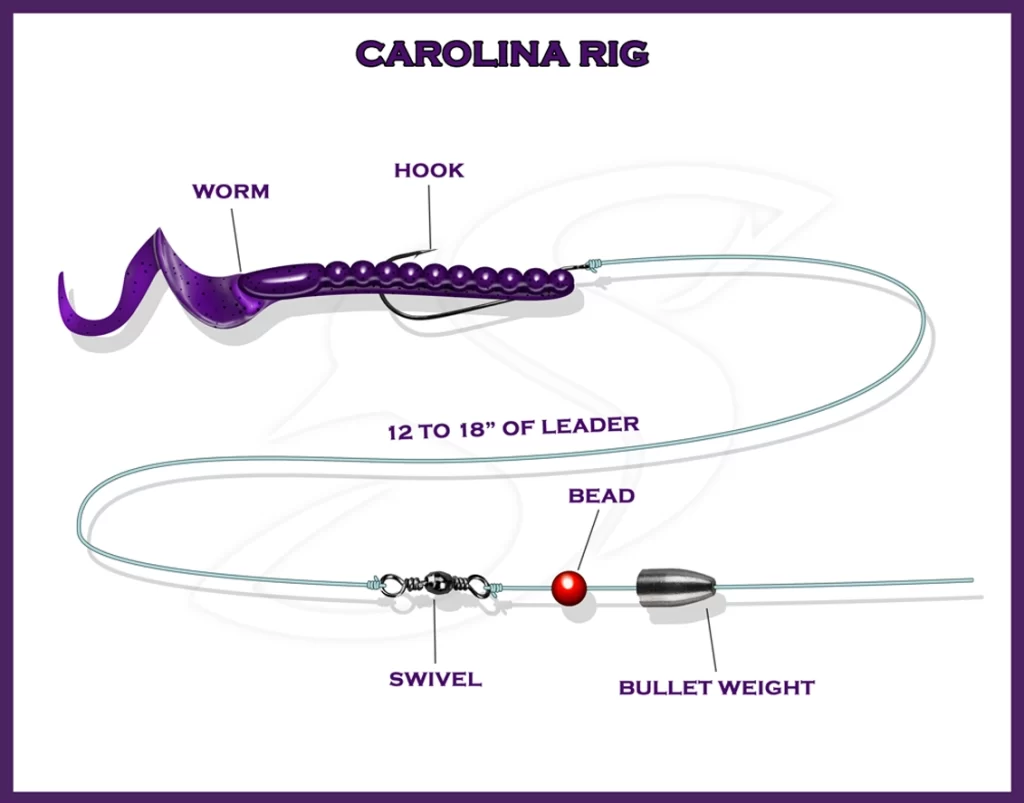
Carolina rigs are versatile setups that feature a sliding sinker on the mainline and a leader with a hook. This design allows for natural bait movement, making it effective for various saltwater species.
3. Dropper Loop Rigs
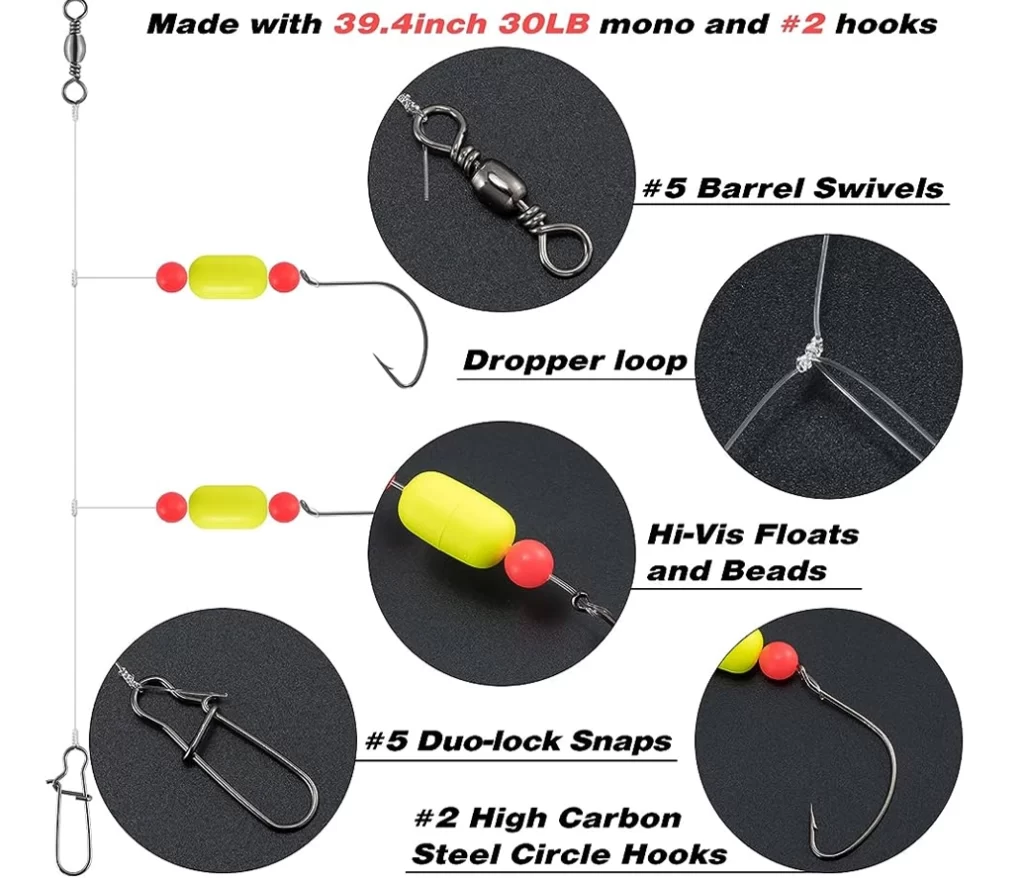
Dropper loop rigs are ideal for presenting multiple baits at different depths. They consist of loops tied onto the mainline, with hooks attached at intervals.
4. Popping Cork Rigs
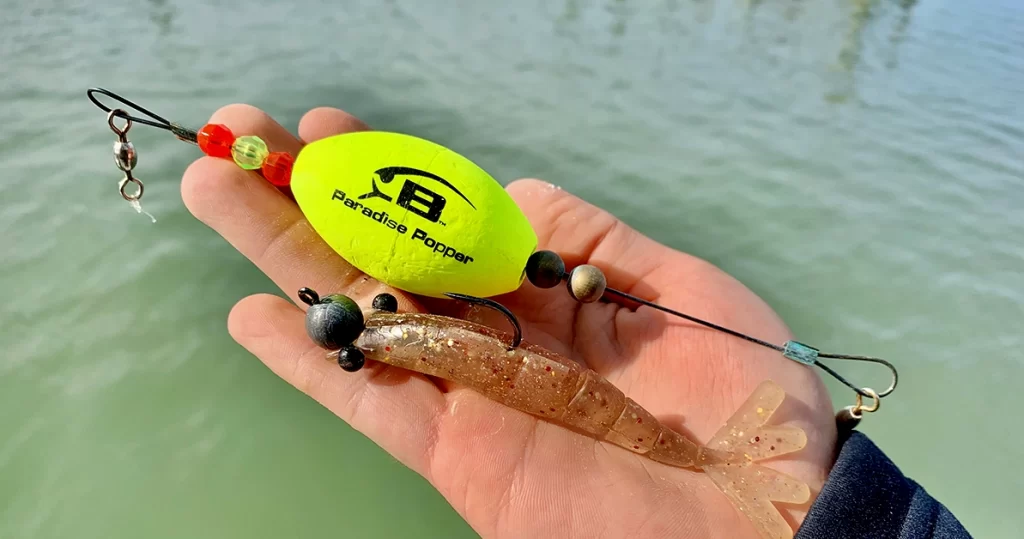
Popping cork rigs are used for top water fishing. They involve a popping cork attached to the mainline and a leader with a hook. The popping cork creates surface disturbances to attract fish.
5. Sabiki Rigs
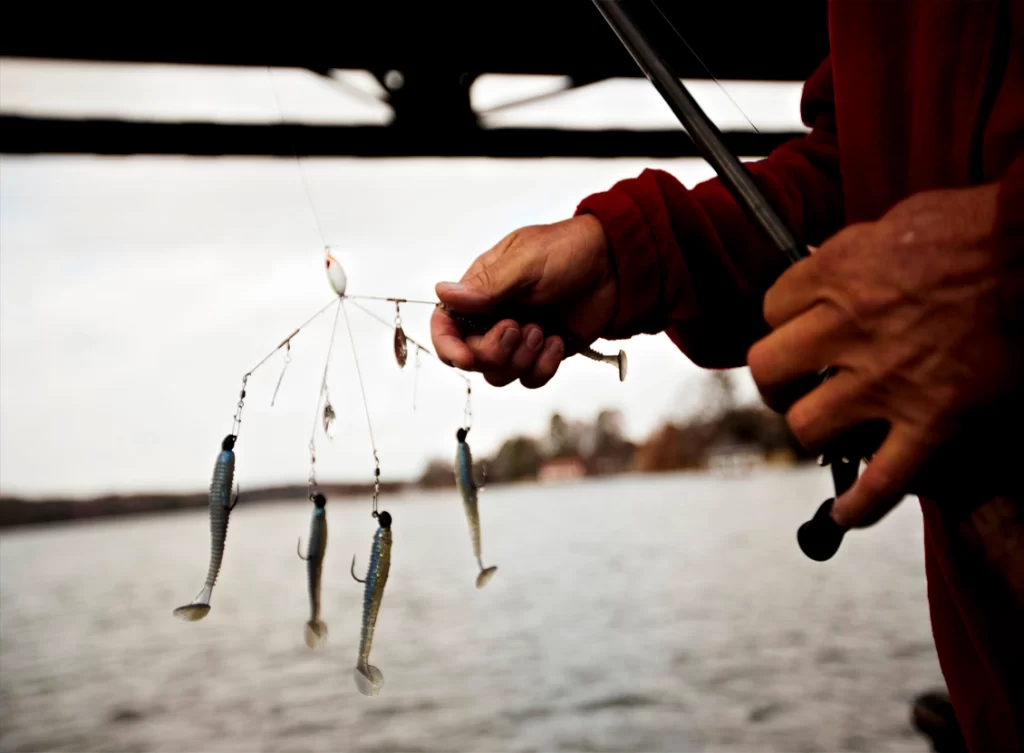
Sabiki rigs are specialized setups with multiple small hooks that imitate small baitfish. They are excellent for catching live bait for larger species.
Components of a Saltwater Fishing Rig
Understanding the Anatomy of a Fishing Rig
A fishing rig is a setup that combines various components to create an enticing presentation for fish. Understanding the role of each component is essential for building effective rigs.
The Role of Hooks in Fishing Rigs
Hooks are the fundamental components that secure the fish once they bite. Choosing the right hook size and style depends on the bait you’re using and the target species.
Choosing the Right Hook Size
Selecting the appropriate hook size ensures that the hook fits the bait and the fish’s mouth comfortably. Using a hook that is too large or too small can result in missed hooksets.
Different Hook Styles for Different Baits
Different baits require different hook styles to maintain their natural presentation. For instance, using a circle hook is ideal for live bait fishing, as it increases the chances of a solid hookup.
Importance of Swivels and Snaps
Swivels and snaps play a critical role in preventing line twist and facilitating quick lure or bait changes.
Preventing Line Twist
Swivels are designed to rotate freely, preventing your line from twisting during retrieval. Line twist can weaken your line and lead to tangles.
Easy Lure and Bait Changes
Snaps allow you to change lures or baits quickly without retying knots. This flexibility lets you adapt to changing fishing conditions more efficiently.
Sinkers and Weights: Adding Depth and Casting Distance
Sinkers and weights serve two primary purposes: adding casting distance and helping your bait or lure reach the desired depth.
Matching Sinkers to Fishing Conditions
The weight of the sinker should match the water conditions. Heavier sinkers are ideal for rough waters, while lighter ones are suitable for calmer conditions.
Using Weights for Casting Precision
Weights provide casting stability and accuracy. They counterbalance the weight of your bait or lure, allowing for smoother and more accurate casts.
Leaders and Lines: Connecting Mainline to Hook
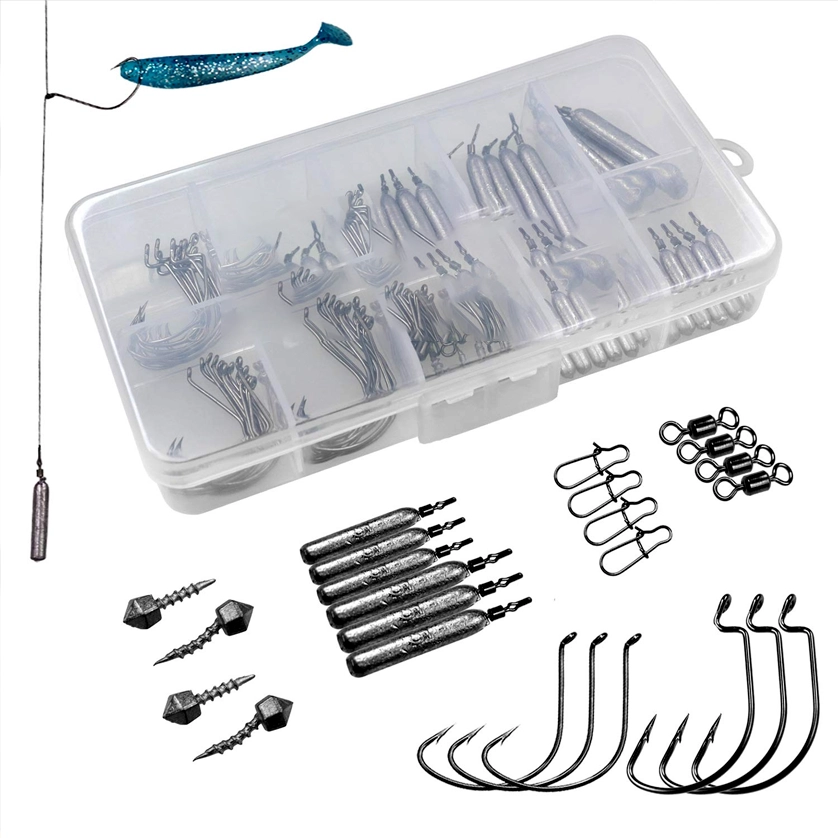
Leaders are sections of line between the mainline and the hook. They provide abrasion resistance and prevent fish from detecting the mainline.
Selecting the Right Leader Material
Leader material should be strong enough to withstand a fish’s sharp teeth and abrasive underwater structures. Fluorocarbon and wire leaders are common choices.
Knots for Attaching Leaders and Hooks
Using strong knots to attach leaders to the mainline and hooks is essential. Palomar and improved clinch knots are reliable options for securing these connections.
Enhancing Attractiveness with Lures and Attractors Saltwater Fishing Rigs Techniques
Lures and attractors are crucial for enticing fish to bite. They mimic prey and add visual appeal to your rig.
Different Types of Lures
Lures come in various shapes, sizes, and colors to imitate different types of baitfish. Choose lures that match the prey fish in your fishing area.
Adding Attractors for Visual Appeal
Attractors, such as brightly colored beads or spinners, enhance the visual appeal of your rig. They create flashes of light and movement, attracting fish from a distance squid rigging saltwater fishing techniques.
Creating Your Saltwater Fishing Rig
To create your saltwater fishing rig, assemble the components in the following order: mainline, leader, swivel or snap, weight, and hook. Customize the rig based on your target species and fishing conditions.
Tips for Building Effective Rigs Saltwater Fishing Rigs Techniques: Exploring Success
- Research Your Target Species: Learn about the feeding habits and preferences of the fish you want to catch.
- Practice Knot-Tying: Master essential knots for secure connections between components.
- Experiment with Colors: Try different colors for attractors and lures to determine what works best.
Testing and Fine-Tuning Your Setup
Before heading out on your fishing trip, test your rig in a controlled environment. Ensure that the components work smoothly together and that the rig performs as expected.
Maintaining and Repairing Fishing Rigs
After each fishing trip, inspect your rig for wear and tear. Replace any damaged components, such as hooks or leaders, to maintain the rig’s effectiveness.
Advantages of Custom-Made Rigs
Custom-made rigs allow you to tailor your setup to specific fishing conditions and target species. You can experiment with different components and configurations to find what works best for you.
Choosing the Right Rig for Your Target Specie
Different saltwater species have varying feeding habits and habitats. Research your target species to determine the most effective rig and bait combination. Matching the rig to the fish’s preferences increases your chances of success.
Setting Up Your Saltwater Fishing Rig
Setting up a saltwater fishing rig requires attention to detail. Follow a step-by-step process to assemble the components, ensuring proper placement and secure connections. Practice tying knots and attaching components before heading out to the water.
Tips for Using Saltwater Fishing Rigs
- Observe Local Fishing Practices: Learn from local anglers about effective rigs and techniques for the area.
- Experiment with Baits: Test different baits to see what the fish are biting on that day.
- Vary Your Retrieval Speed: Try different retrieval speeds to trigger different fish responses.
- Stay patient. Fishing requires patience; give the fish time to bite.
Techniques for Casting and Retrieving
Mastering casting and retrieving techniques enhances your chances of attracting fish. Practice accurate casting and experiment with different retrieval speeds and motions to imitate natural bait movements.
Adapting to Changing Conditions
Saltwater conditions can change quickly due to tides, currents, and weather. Stay adaptable and adjust your rig, bait, and techniques accordingly to remain effective.
Maintenance and Care of Fishing Rigs
After each fishing trip, inspect your rigs for any signs of wear or damage. Replace hooks, leaders, or other components as needed to maintain the integrity of the rig.
Advantages and Disadvantages of Different Rigs
Each rig type has its advantages and disadvantages. Consider factors such as target species, fishing location, and personal preferences when choosing a rig.
Safety Considerations and Best Practices
Prioritize safety while saltwater fishing. Use appropriate gear, stay hydrated, and be mindful of local regulations. Respect the environment and practice responsible angling.
Conclusion Saltwater Fishing Rigs Techniques
Saltwater fishing rigs are essential tools for successful angling in the ocean. By understanding the various rig types, components, and techniques, you can tailor your approach to different species and conditions. Remember that practice and experience are key to becoming a skilled saltwater Fishfinder.