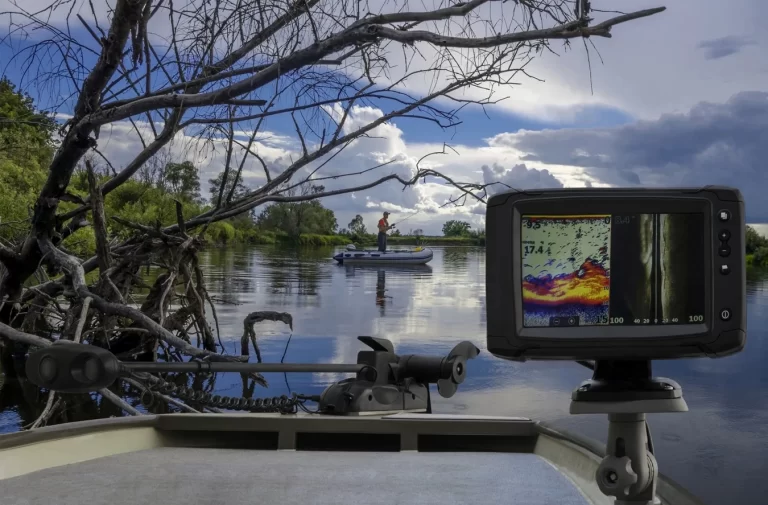
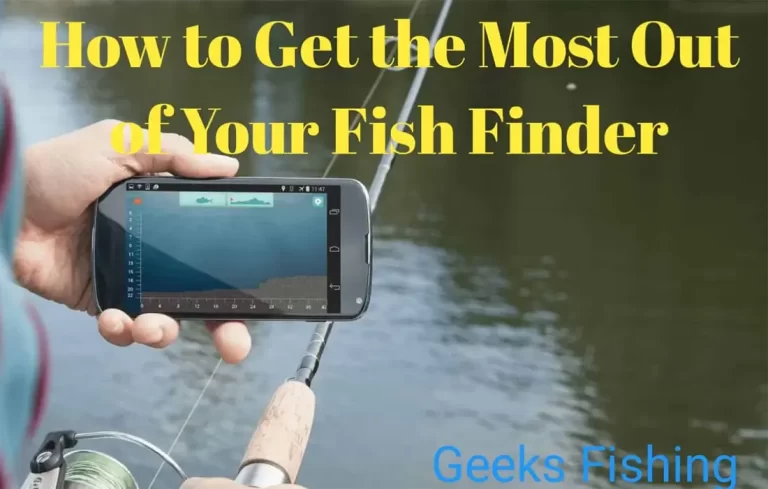
How to Effectively Use a Fishfinder to Catch More Fish.
Introduction to Fishfinders
Sonar, short for “sound navigation and ranging,” is the foundation of fishfinder technology use Fishfinder Effectively Catch More Fish. The device sends out sound waves that travel through the water until they encounter an object. These waves bounce back to the fishfinder, providing information about the size, shape, and distance of the object. By analyzing these echoes, anglers can determine whether they’re seeing a school of fish, a submerged structure, or the contour of the lake or seabed.
Selecting the Right Fishfinder
Choosing the right fishfinder depends on various factors, such as the type of fishing you do, the depth of the waters you frequent, and your budget. There are two main types of fishfinders: standalone and combination units. Standalone fishfinders are dedicated devices focused solely on sonar capabilities, while combination units often include GPS navigation and mapping features.
Mounting and Installing the Fishfinder Use Fishfinder Effectively Catch More Fish
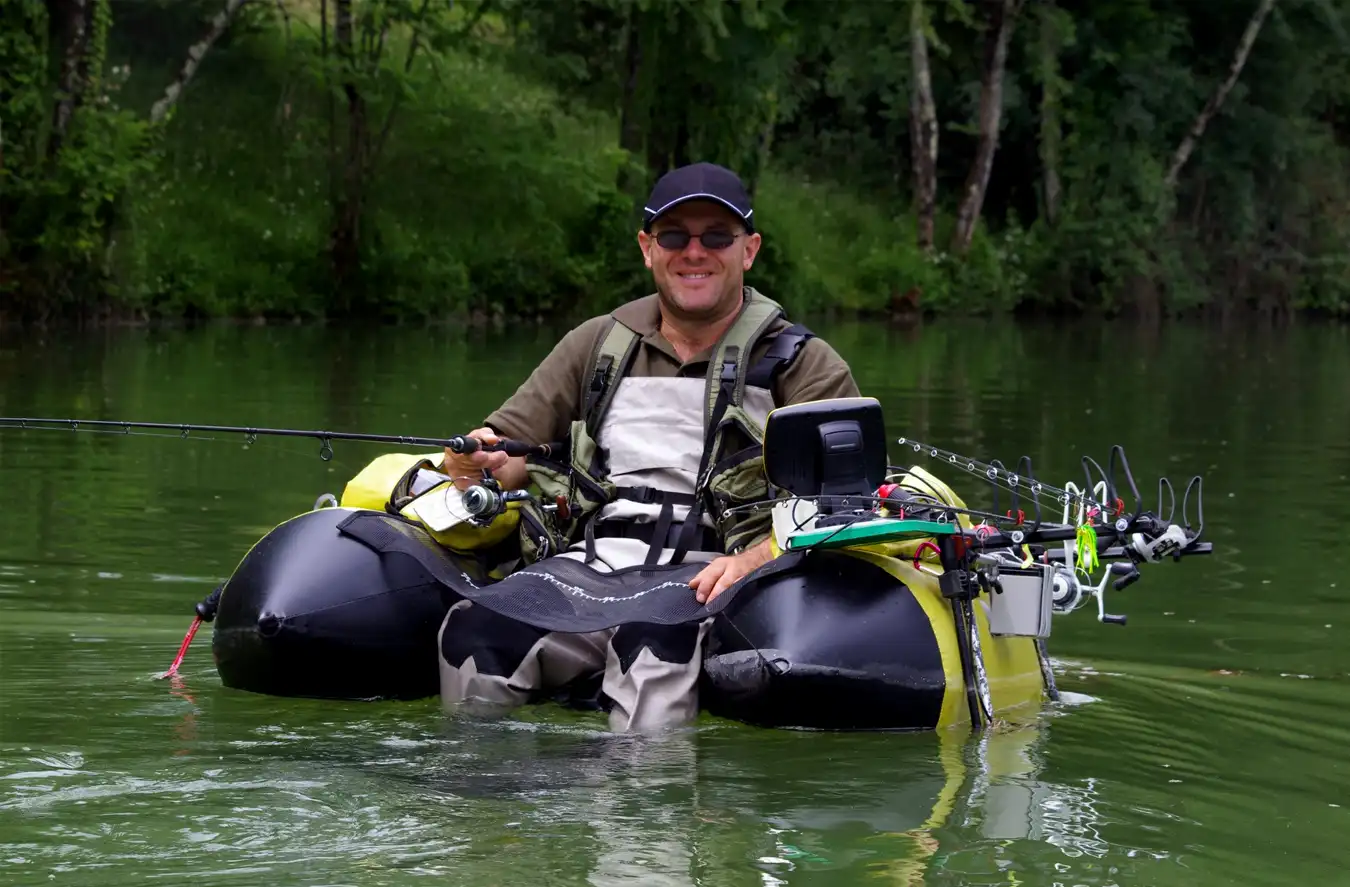
Proper installation is crucial for the fishfinder to function optimally. Mount the transducer, which emits and receives sonar signals, securely to the boat’s hull. The transducer should be submerged in water and positioned where it won’t be obstructed by air bubbles or turbulence.
Navigating the Fishfinder Interface
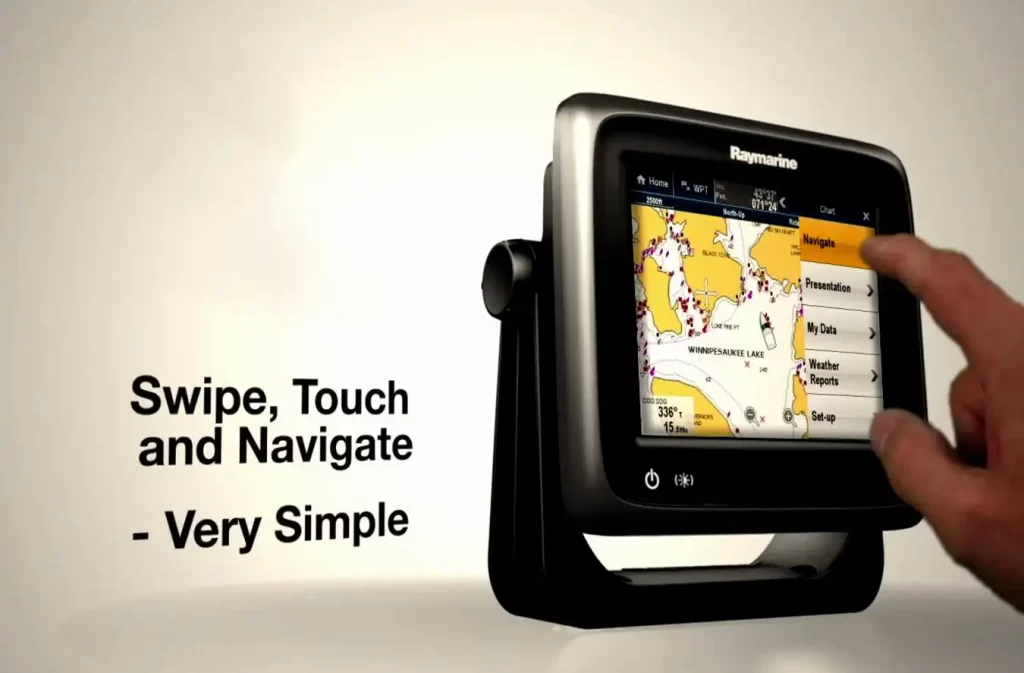
Fishfinders come with various features and settings, which can be overwhelming for beginners. Take time to familiarize yourself with the interface, menu options, and buttons. Most fishfinders allow you to customize settings like sensitivity, frequency, and display preferences.
Interpreting Sonar Data
When you’re on the water, the fishfinder screen will display sonar data in real-time. Fish are usually represented as arches on the screen, while structures appear as irregular shapes. Learning to differentiate between these signals will significantly improve your fishing success.
Identifying Fish and Structures Use Fishfinder Effectively Catch More Fish
Understanding the distinction between fish and underwater structures is crucial. Fish arches can vary in size and intensity, indicating different species and sizes. Structures like rocks, vegetation, and drop-offs are essential fish-holding areas. Identifying Fish and Structures
Being able to distinguish between fish and underwater structures is a key skill when using a fishfinder. As you interpret the sonar data on your device, understanding what different signals represent will greatly enhance your fishing success.
Fish Signals:
Fish are typically depicted on the fishfinder screen as arches. These arches can vary in size and intensity, providing valuable information about the fish species and their sizes. Larger arches usually indicate bigger fish, while smaller ones suggest smaller fish. By observing the arches and their characteristics, you can make educated guesses about the types of fish present in the area.
It’s important to note that the thickness and length of the arches can be influenced by various factors, including the fish’s depth, swimming speed, and the sensitivity settings of your fishfinder. As you gain experience, you’ll become more adept at recognizing the nuances of these signals.
Structure Signals:
Aside from fish, fishfinders also reveal underwater structures that could attract fish. These structures include rocks, submerged vegetation, drop-offs, and other physical features of the underwater terrain. Structures are typically displayed as irregular shapes on the screen.
Learning to differentiate between fish arches and structural signals is crucial. While fish arches tend to have a more distinct curved shape, structures can appear in various forms, often resembling jagged outlines or hazy patches on the screen. Being able to distinguish between these signals will help you target the right areas for potential fish activity.
Remember, practice makes perfect. The more you use your fishfinder and analyze its data, the more adept you’ll become at identifying both fish and structures. Over time, you’ll develop an intuitive sense for reading the signals and making informed decisions about where to cast your line.
Adjusting Settings for Different Conditions Use Fishfinder Effectively Catch More Fish
Fishfinder performance can be affected by water conditions, depth, and even boat speed. Adjust the settings based on these factors to ensure accurate readings. For example, lower frequencies penetrate deeper waters, while higher frequencies provide clearer images in shallower waters.
- Utilizing GPS Functionality
Many modern fishfinders include GPS features that allow you to mark waypoints, track your route, and create detailed maps of fishing spots. This functionality is incredibly useful for returning to successful locations.
- Maximizing Battery Life
To avoid running out of power during a fishing trip, fully charge your fishfinder’s battery before heading out. You can also invest in an external power source or carry spare batteries, especially for longer outings.
Cleaning and Maintenance
Fishfinders are exposed to water, which means they require regular cleaning and maintenance. Rinse the device with freshwater after each use, and store it in a dry place. Check the transducer and wiring for any signs of damage.
Tips for Beginners Use Fishfinder Effectively Catch More Fish
- Start in simpler waters to practice reading sonar data.
- You can focus on learning the basics before delving into advanced settings.
- Consult tutorials and guides to enhance your understanding.
- Advanced Techniques for Seasoned Anglers
- Experiment with different frequencies and angles for more accurate readings.
- Combine GPS data with sonar readings for comprehensive fishing strategies.
- Use fishfinder data in conjunction with traditional fishing knowledge.
- Fishfinder Accessories for Enhanced Performance
- Consider purchasing a sun cover to improve screen visibility in bright conditions.
- Invest in a quality mount to ensure secure placement of the device.
- Upgrade to a transducer with side-scanning capabilities for broader coverage.
Understanding Fishfinders and Sonar Technology
Fishfinders are to modern anglers what treasure maps are to pirates – they unveil the hidden world beneath the water’s surface. Utilizing sonar technology, these devices emit sound waves that bounce off objects underwater and return as echoes. These echoes are then translated into visual data on your fishfinder’s screen, giving you a glimpse into the aquatic world.
Decoding Fish Signals on Your Screen
Imagine watching a live concert, with each musical note symbolized by an arch on your screen. Fish arches are quite similar. The size and shape of these arches can hint at the type and size of fish present. Larger arches could mean bigger fish, while smaller ones might indicate smaller fish. With practice, you’ll become a fish “arch-eologist” of sorts, deciphering these signals with finesse.
Cracking the Code of Underwater Structures
Fish are finned masters of camouflage, often lurking around underwater structures for safety and sustenance. Recognizing these structures on your fishfinder can be a game-changer. Rocks, submerged vegetation, and drop-offs are like fish magnets. They show up as irregular shapes on your screen, and understanding them can lead you to prime fishing spots.
Fine-Tuning Your Fishfinder Settings
Fishfinders aren’t one-size-fits-all gadgets. They come with an array of settings that you can tweak to match your fishing environment. Adjusting sensitivity, frequency, and depth range can help you fine-tune your fishfinder’s performance, giving you clearer and more accurate readings.
Mastering the Dance of Interpretation
Fishfinders provide real-time data, and interpreting this data is an art. The way fish move, your boat’s speed, and water currents can affect the readings. With practice, you’ll develop an instinct for reading the signals and differentiating between fish and structures.
The Connection Between Fish Behavior and Signals
Fish aren’t predictable metronomes; they have their rhythms. Understanding how fish behavior correlates with the signals on your screen can be a game-changer. Are they swimming in schools? Are they lurking near structures? These insights can guide your fishing strategy.
Detecting Structures: Beyond the Surface
Fishfinders aren’t just about fish. They reveal the captivating underwater world that’s often hidden from the naked eye. Submerged trees, sunken boats, and other structures can be intriguing finds that add depth to your fishing experience.
Advanced Techniques for Seasoned FishFinders
As you become more skilled, you can experiment with different frequencies and angles to achieve more precise readings. Combining GPS data with fishfinder readings can create a comprehensive strategy, guiding you to fruitful fishing spots.
- Utilizing GPS for Precise Navigation
Many fishfinders come with GPS capabilities, allowing you to mark locations, track routes, and return to successful spots. This feature is a compass in the sea of possibilities, helping you navigate with confidence.
The Role of Experience in Interpretation
Interpreting fishfinder data is like deciphering a language – it takes time to become fluent. With each fishing trip, your understanding deepens, and you’ll find yourself making informed decisions based on subtle cues.
Common Mistakes and How to Avoid Them
Even with technology’s aid, mistakes can happen. Misinterpreting signals, ignoring settings, or misjudging fish behavior are common pitfalls. Being aware of these blunders can help you avoid them.
Fishfinder Maintenance for Longevity
Your fishfinder is a trusty companion, and like any companion, it needs care. Regular cleaning, proper storage, and occasional software updates ensure your fishfinder remains your underwater ally for years to come.
A Symphony of Nature and Technology
Fishing is a dance between nature and technology. Fishfinders add a harmonious note to this symphony, enriching your understanding of the aquatic realm and guiding you to fruitful waters.
From Novice to Expert: Your Journey
Becoming proficient in fishfinder interpretation is a journey. Every cast, every adjustment, and every catch contributes to your expertise. Embrace the learning curve and relish the discoveries along the way.
Conclusion: Unveiling the Underwater Realm
Fishfinders aren’t mere gadgets; they’re windows into an enchanting underwater world. By learning to read fish signals, identify structures, and fine-tune settings, you’ll elevate your fishing game. With practice, patience, and the right technology, you’ll unlock a realm of angling possibilities beneath the water’s surface.