How to Go Camping and Fishing: The Complete Guide
Introduction:
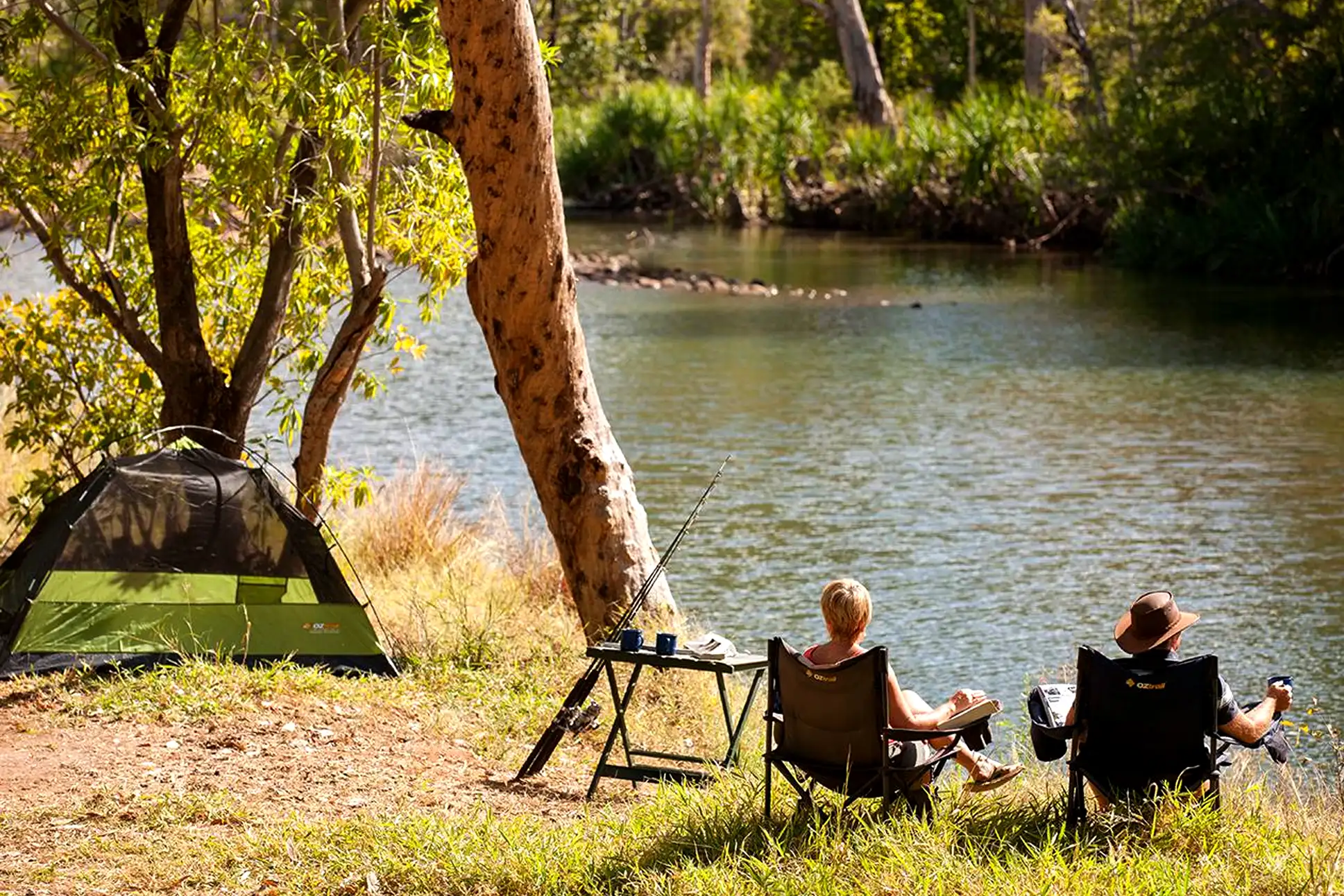
If you’re an outdoor enthusiast looking for a memorable adventure that combines the tranquility of nature with the thrill of catching your dinner, camping and fishing are the perfect getaway. In this comprehensive guide, we’ll walk you through everything you need to know to make your camping and fishing trip a success. From choosing the right location to mastering essential fishing techniques, we’ve got you covered.
Choosing the Ideal Camping and Fishing Location
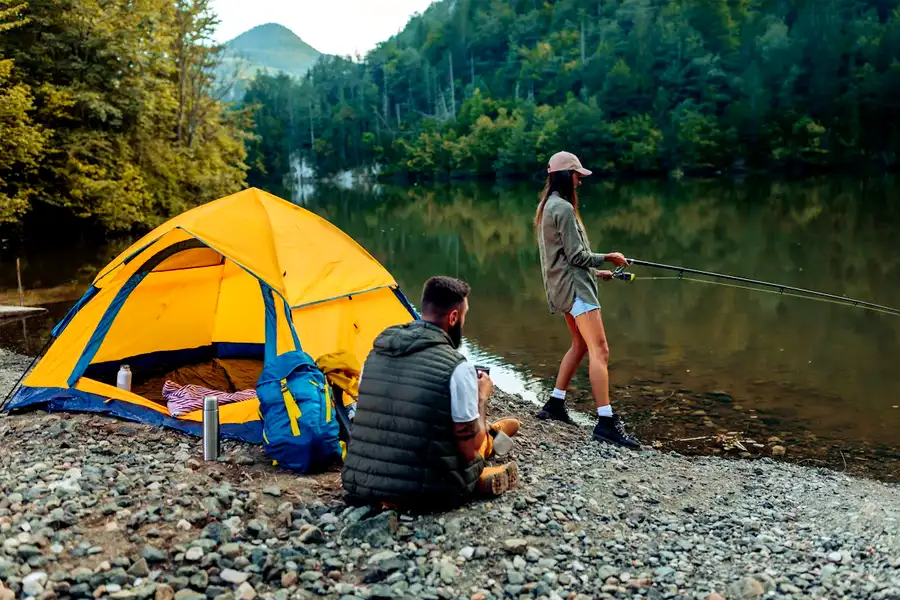
The first step to a successful camping and fishing trip is selecting the perfect location. Consider factors such as proximity to water bodies, accessibility, and local fishing regulations. Research and choose a spot that aligns with your preferences, whether it’s a serene lakeside getaway or an adventurous riverbank campsite.
Essential Camping Gear
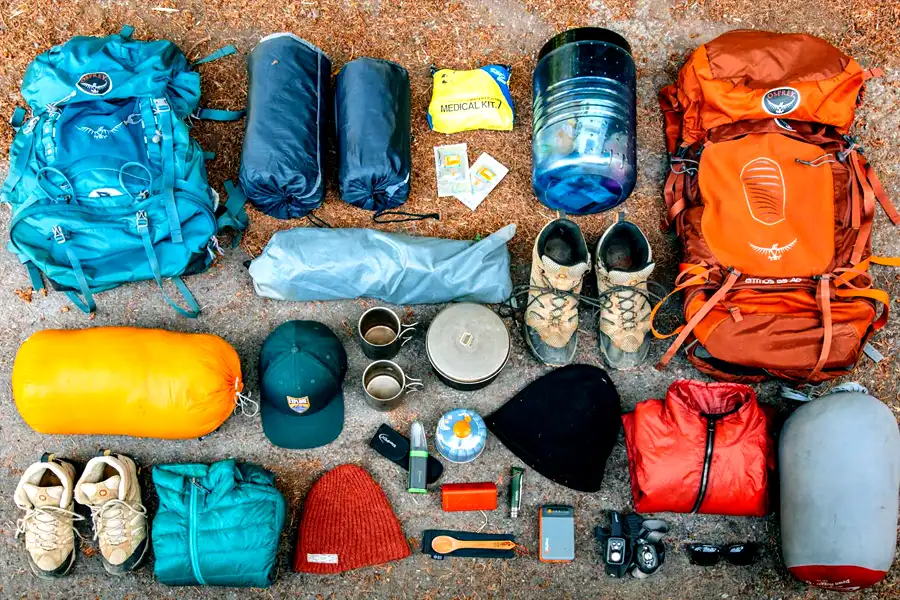
To make your camping experience comfortable, ensure you have the following gear:
- Tent
- Sleeping bags and pads
- Cooking utensils
- Portable stove
- Lanterns/flashlights
- First aid kit
- Insect repellent

- Maps and navigation tools.
- Clothing suitable for the weather.
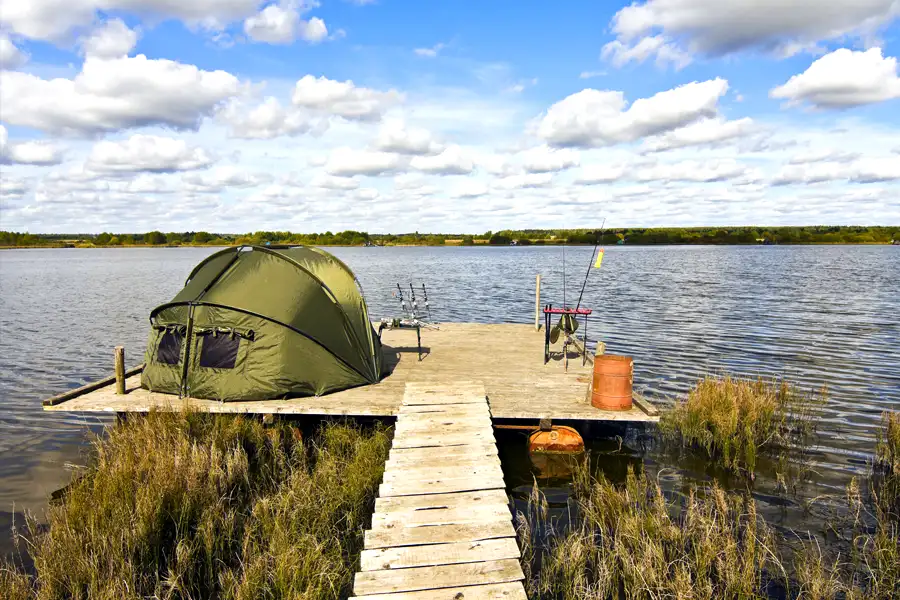
- Fishing Equipment and Tackle.
- Before you can reel in your catch of the day, gather the necessary fishing gear.
- Fishing rods and reels.
- Bait and lures.
- Fishing line.
- Tackle box.
- Fishing knife.
- Fishing license. (if required)
- Fish measuring device.
- Fishing pliers.
- Setting Up Camp.
Once you’ve reached your chosen destination, it’s time to set up camp. Follow these steps:
- Pick a level and dry spot for your tent.
- Assemble your tent according to the manufacturer’s instructions.
- Lay out sleeping bags and pads inside the tent.
- Organize your camping gear for easy access.
- Campfire Cooking Tips
- There’s something special about cooking outdoors. Try these campfire cooking tips for delicious meals.
- Pack non-perishable food items.
- Use a campfire grate or portable stove.
- Don’t forget cooking utensils and seasonings.
- Practice fire safety at all times.
- Fishing Techniques for Beginners
If you’re new to fishing, start with these basic techniques:
- Casting and reeling
- Bobber fishing
- Bottom fishing
- Lure fishing
- Fly fishing
- Patience is key!
Safety First: Camping and Fishing Precautions
- Safety should always be a priority.
- Be aware of wildlife in the area.
- Keep a first-aid kit handy.
- Remain hydrated and shield yourself from the sun.
- Follow all local fishing regulations and guidelines.
- Leave No Trace: Environmental Responsibility
- Respect nature and minimize your impact.
- Dispose of trash properly.
- Avoid damaging vegetation.
- Practice catch and release when possible.
- Respect quiet hours for wildlife.
- Nighttime Adventures: Camping Under the Stars
- Enjoy the beauty of the night sky.
- Stargaze and identify constellations.
- Listen to the sounds of the wilderness.
- Use a headlamp for safety.
- Delicious Campfire Recipes
- Try these campfire recipes for a memorable dining experience.
- Grilled fish with lemon and herbs
- Foil-packaged potatoes with onions and cheese
- S’mores for dessert
- Exploring the Surrounding Wilderness
- Take time to explore the natural surroundings:
- Go hiking or biking on nearby trails.
- Discover hidden waterfalls or scenic viewpoints.
- Keep an eye out for wildlife.
- Wildlife Encounters: Dos and Don’ts
- Respect wildlife from a safe distance:
- Observe animals quietly.
- Don’t feed wildlife.
Secure food to prevent attracting animals to your campsite in camping and Fishing.
- Maintaining Cleanliness in the Wilderness
- Keep the environment clean and pristine:
- Use designated restroom facilities.
- Dispose of waste properly.
- Follow the “Leave No Trace” principles.
- Weather Preparedness
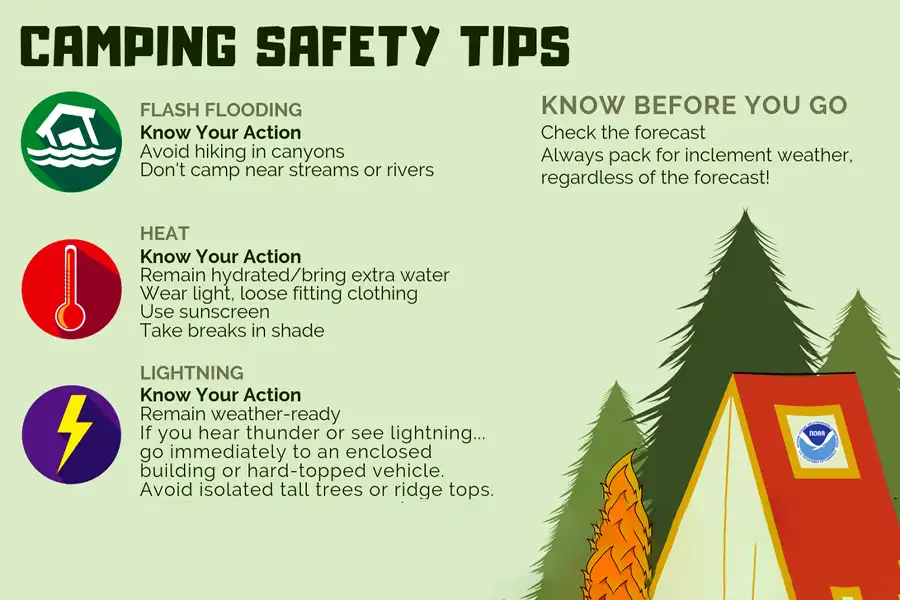
- Stay informed about changing weather conditions.
- Check the forecast before your trip.
- Pack appropriate clothing and gear for various weather scenarios.
- The Art of Relaxation: Unplugging and Enjoying Nature
- Finally, remember to relax and soak in the beauty of nature.
- Disconnect from technology.
- Listen to the sounds of the wilderness.
- Reflect on the simplicity of life outdoors.
What is the best time of year for camping and fishing?
The ideal time varies by location, but spring and early summer often provide excellent fishing opportunities.
With this guide, you’re ready to embark on a camping and fishing adventure that combines the best of both worlds: the serenity of the outdoors and the excitement of reeling in your catch of the day. Happy camping, and tight lines!
The best time for camping and fishing largely depends on your location and the type of fish you want to catch. Nonetheless, there are a few common principles to consider:
Spring:
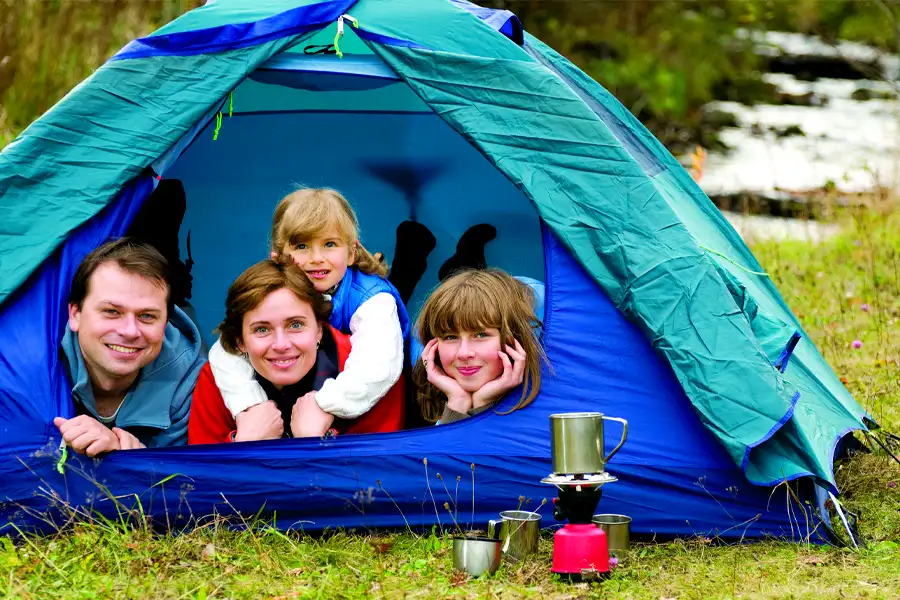
Spring is an excellent time for camping and fishing in many regions. As the weather warms up, fish become more active after the winter months. You can often find a variety of species, including bass, trout, and panfish, near the shorelines.
Early summer camping and fishing:
Early summer, especially late May and June, can be prime fishing season in many places. Fish are typically found in shallow waters, making them easier to catch. The water temperatures are comfortable, and you can enjoy longer daylight hours for camping activities.
Fall:
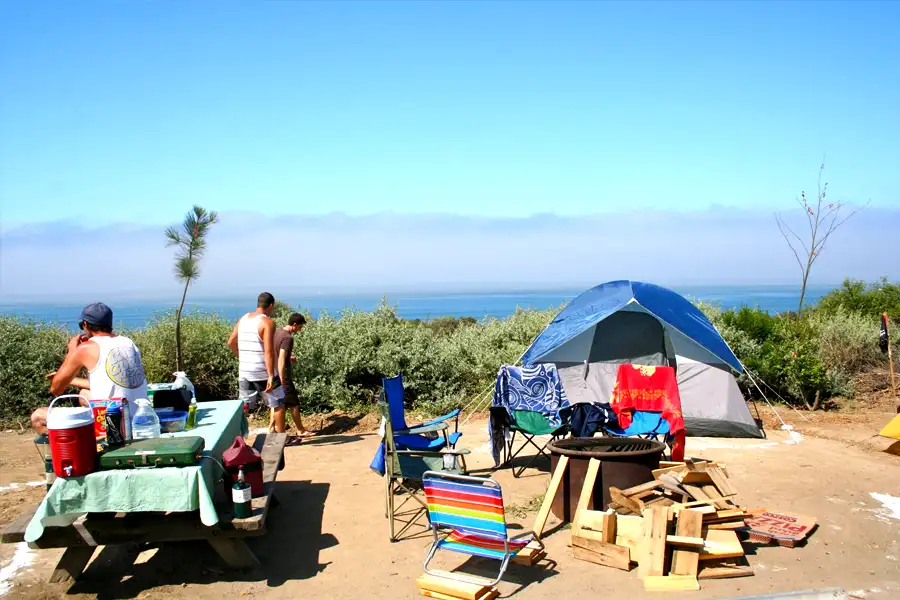
Fall is another great time for fishing, particularly for species like salmon and steelhead. These fish often migrate during the fall months, making it an ideal time to try your luck in rivers and streams.
Late Evening and early Morning :
Regardless of the season, many anglers swear by fishing during the late evening or early morning hours. This is when fish are generally dynamic and taking care of close to the surface. It’s also a pleasant time to be outdoors, as temperatures are usually cooler.
Consider Local Factors:
Always consider local factors such as the specific water body you plan to fish in and the type of fish you want to target. Different species have their peak seasons, and local fishing regulations may restrict certain activities during spawning periods to protect fish populations.
Weather Conditions:
Keep an eye on weather conditions, as they can greatly affect fishing success. Some fish are more active on cloudy days, while others prefer sunny conditions. Wind can also impact your ability to fish comfortably.
Check Local Reports:
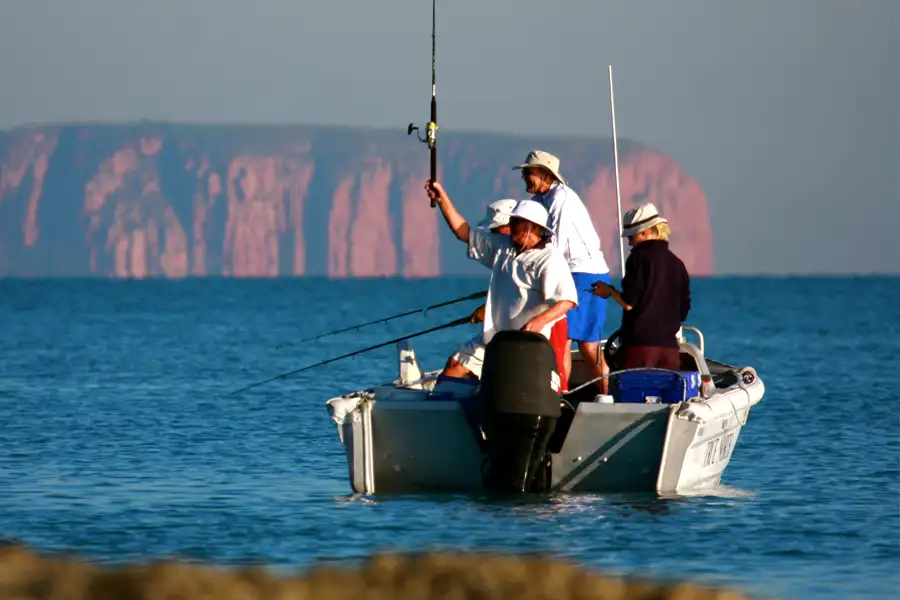
Before planning your camping and fishing trip, check local fishing reports and talk to local anglers or bait shops. They can provide valuable insights into the best times to fish in your chosen area.
Remember that fishing is not just about catching fish; it’s also about enjoying the experience of being outdoors. So, regardless of the season, make sure to plan your camping and fishing trip according to your preferences and the type of adventure you seek.
Conclusion:
Offer a unique opportunity to reconnect with nature, unwind, and create lasting memories. By following this complete guide, you’ll be well-prepared for your adventure. So, pack your gear, choose your spot, and embark on a journey filled with outdoor exploration and the joy of catching your own dinner.