How to Get the Most Out of Your Fish Finder

1. Introduction
Welcome to the world of fish finding! Fish finders are an invaluable tool for anyone looking to get the most out of their fishing trips. A fish finder can be used to locate and target specific fish species, identify potential holding spots, and determine the depth of water. With the right equipment and knowledge, you can use your fish finder to maximize your efforts and have more successful fishing trips. This guide provides an overview of the features and functions of fish finders and will help you understand how to get the most out of your fish finder.
2. What could be an Angle Finder?
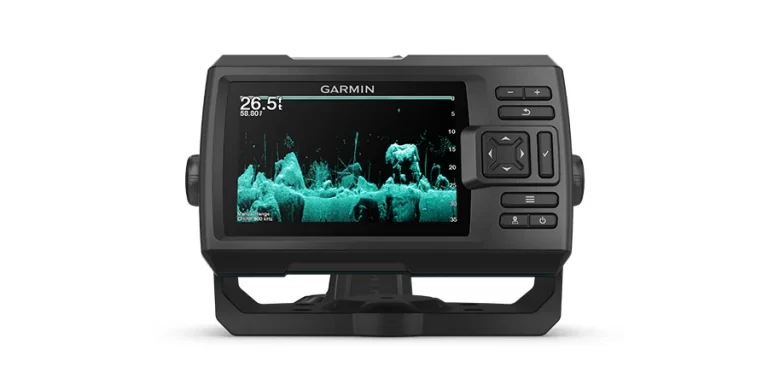
An angle discoverer is an electronic gadget that utilizes sonar innovation to find and distinguish fish. It works by sending out sound waves in the water that bounce off objects and fish, which the fish finder receives and interprets into a visual image. The picture is then projected onto a monitor, enabling one to distinguish the kind of fish and its whereabouts. The image can also reveal the bottom structure, depth, and other submerged objects.
3. Types of Fish Finders
There are numerous diverse sorts of angle discoverers accessible, and each one offers distinctive highlights and benefits. Understanding the distinctive sorts of angle discoverers and the highlights they offer can assist you make an educated choice almost which one is best for you.
- Traditional Fish Finder
A fish finder that utilizes the down-imaging method employs two transducers to transmit sound waves. It typically consists of a transducer, a display, and a transom mount. The transom mount is used to attach the transducer to the boat.
- Side Imaging Fish Finder
A side imaging fish finder uses two transducers to send out sound waves that form an image of the water. This image is then displayed on the screen, allowing you to identify fish, structures, and other objects in the water.
- Down Imaging Fish Finder
A down-imaging fish finder also uses two transducers to send out sound waves. However, the sound waves are directed downwards, providing an image of the water below the boat. This image can be used to identify fish, structures, and other objects in the water.
- Fish Finder/Chartplotter Combo
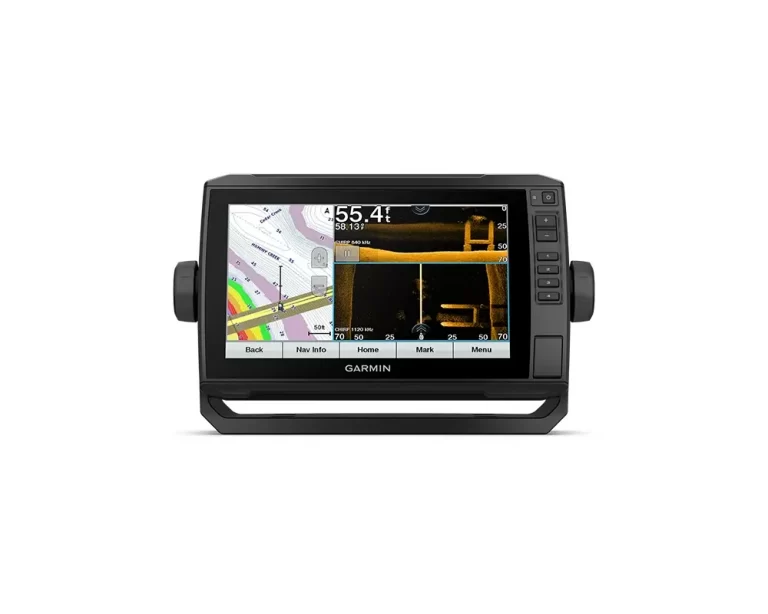
A fish finder/chart plotter combo combines the features of a traditional fish finder and a GPS chart plotter. It uses a combination of sound waves and GPS data to provide a detailed view of the water and its contents.
4. Features of Fish Finders
Fish finders come with a variety of features and functions that can help you get the most out of your fishing trips.
- Display
The show is one of the foremost imperative highlights of an angle discoverer. It is utilized to see and decipher the sound waves that are sent out by the transducer. The measure of the show will influence how simple it is to study and translate the image.
- Transducer
The transducer of the angle discoverer produces sound waves. It is critical to get the type of transducer that’s best for your specific angling needs.
- Frequency
The frequency of a fish finder is the number of sound waves it sends out in a given period. Higher frequencies allow for more precise images but also require more power from the fish finder.
- Power
The power of a fish finder determines how far it can send out sound waves. Higher-powered fish finders can send out sound waves over a greater distance, allowing for more accurate readings.
- GPS
Many modern fish finders come with GPS capability. Global Positioning System (GPS) technology can be employed to monitor one’s location and aid in the navigation to preferred fishing sites.
5. How to Set Up Your Fish Finder
Once you have selected the right fish finder for your needs, the next step is to properly set it up. Setting up your fish finder correctly will ensure that it is working properly and will provide the most accurate readings.
The transducer must be mounted first. The transducer should typically be installed on the boat’s transom. The mounting of the transducer could be customized to the type of fish finder.
Connecting the cables comes next after the transducer has been mounted. The majority of fish finders need to be powered, transceiver, and display cables.
- Setup
Setting up the fish finder comes next after the cords are linked. The installation of the fish finder can differ, thus it is essential to look at the user manual for directions.
6. How to Use a Fish Finder
Once your fish finder is properly set up and ready to go, it is important to understand how to use it. Knowing how to use a fish finder correctly will ensure that you get the most out of your fishing trips.

- Reading the Display
The display of a fish finder is where all of the information is displayed. It is important to understand how to interpret the information on the display to make the most of your fish finder.
- Identifying Fish
The sound waves that are sent out by the transducer will bounce off of objects and fish, which will be displayed on the display. It is important to be able to identify the different types of fish that are displayed on the screen.
- Marking Hot Spots
Once you have identified a spot that is holding fish, it is important to mark the location. Marking hot spots can help you quickly and easily return to them in the future.
- Adjusting Settings
Most fish finders come with adjustable settings that can be used to customize the display and get the most out of the device. It is important to understand how to adjust the settings to get the most accurate readings.
7. Tips for Using a Fish Finder
Using a fish finder can be a bit tricky at first, but with some practice and patience, you will be able to get the most out of your device.

- Test the Device
Before you head out on the water, it is important to test your fish finder to make sure that it is working properly.
- Recognize Your Device
It’s critical to comprehend all of your fish finder’s features and capabilities. This will enable you to maximize the tool and have more fruitful fishing excursions.
- Get to Know the Water
Spend some time exploring the water and getting to know the environment. This will assist you in locating prospective hotspots and comprehending fish behavior.
- Understand the Basics:
Learn how to read the fish finder display, what the different icons and colors mean, and how to interpret the data.
- Read the Manual:
It is very essential to learn about the information that bought right here with your fish finder. This will help you understand the various features and settings that your fish finder has, and how to use them correctly.
- Check the Settings:
Make sure that your fish finder settings are set correctly. This includes the sensitivity, frequency, and other settings that can make a big difference in your results.
- Use the Right Transducer:
Make sure that you are using the right transducer for the type of fishing you are doing. Different transducers have different characteristics and can make a big difference in the performance of your fish finder.
- Use the Right Frequency:
Make sure that you are using the right frequency for the type of fishing you are doing. Different frequencies work better for different types of fish, and the wrong frequency can make it difficult to detect fish in the water.
- Pay Attention to the Bottom:
Spend some time getting to know the bottom of the lake or river that you are fishing in. This will assist you higher apprehend the exceptional facets and how the fish finder is analyzing them.
- Take Notes:
Keep a log of the different settings you have used, and the results you have gotten from them.
- Practice:
Don’t be afraid to experiment with different settings and frequencies. The more you use your fish finder, the better you will become at using it and getting the most out of it.
- Buy Quality:
Make sure that you are buying a quality fish finder that is well-made and will last a long time. Cheap fish finders can be unreliable and won’t give you the best results.
Conclusion
Fishermen and women who wish to maximize their fishing experience may benefit from using a fish finder. This device utilizes sonar technology to detect the presence of fish in the water. By being able to locate fish, anglers are able to determine the best places to cast their lines. Additionally, the device can also detect the depth of the water and the type of terrain present, allowing users to tailor their fishing strategy to the situation. With the right knowledge and equipment, you can use your fish finder to maximize your efforts and have more successful fishing trips. This guide provides an overview of the features and functions of fish finders and outlines how to get the most out of your fish finder.