Do Fish Finders Work When Not Moving: Exploring the Intricacies
In the world of modern fishing, technology has revolutionized the way anglers approach their craft, and Fish Finders work, Not move. One such technological marvel is the fish finder, a device that utilizes sonar technology to locate fish underwater. But a question that often arises is whether fishfinders work when the boat is not moving. In this article, we will delve into the details and intricacies of this topic, addressing the functionality of fish finders at a standstill and uncovering the nuances that play a role.
Understanding Fish Finders and Sonar Technology Fish Finders Work Not move.
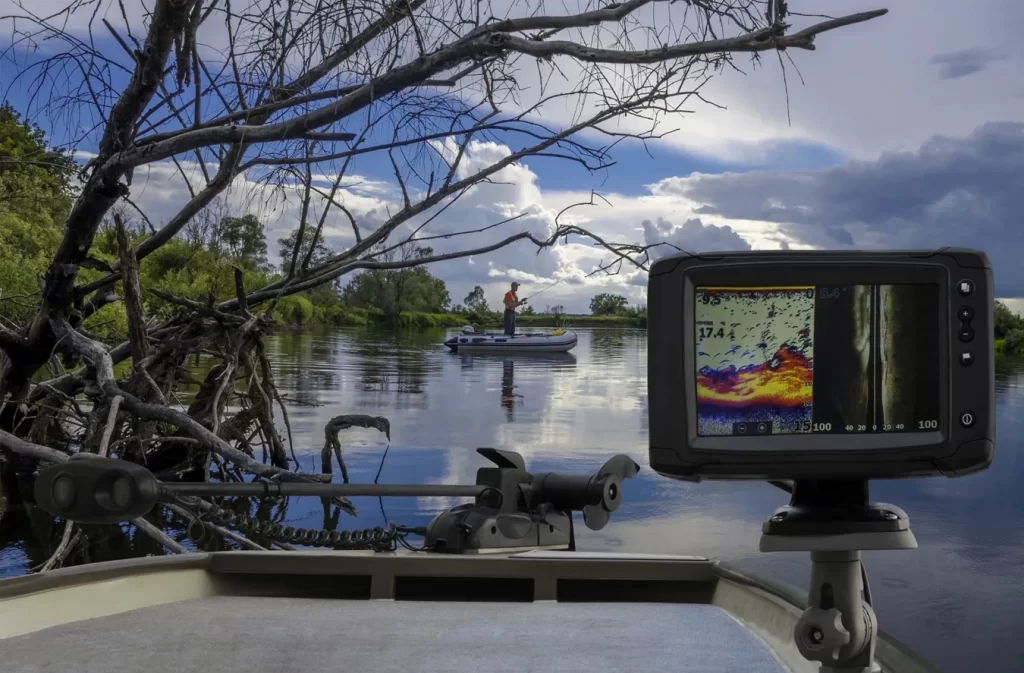
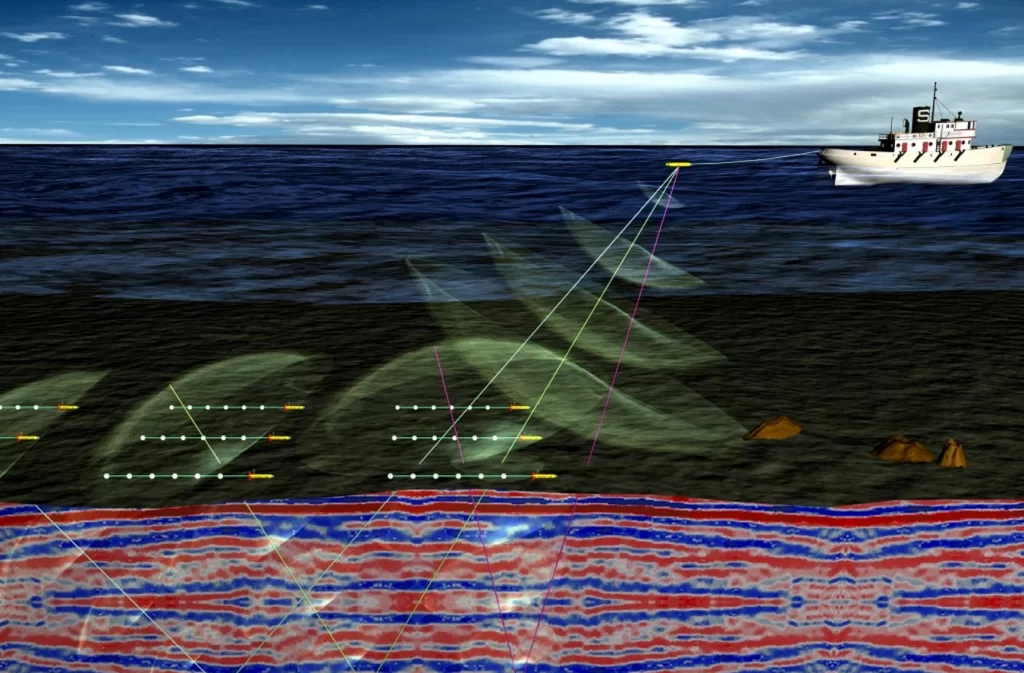
Fish finders are devices that utilize sonar (sound navigation and ranging) technology to locate and identify fish underwater. By emitting sound waves and measuring their reflections Fishfinders work Not moving, fish finders create detailed images of the underwater environment, including the presence of fish, structures, and the depth of the water.
The Role of Movement in Traditional Fish Finding
Traditionally, anglers would move their boats while using fishfinders to scan larger areas of water. Moving allowed the sonar to cover a wider range, increasing the chances of spotting fish. However, advancements in fish finder technology have led to improvements in stationary fish finding.
Fish Finders in Stationary Mode: How Do They Perform?
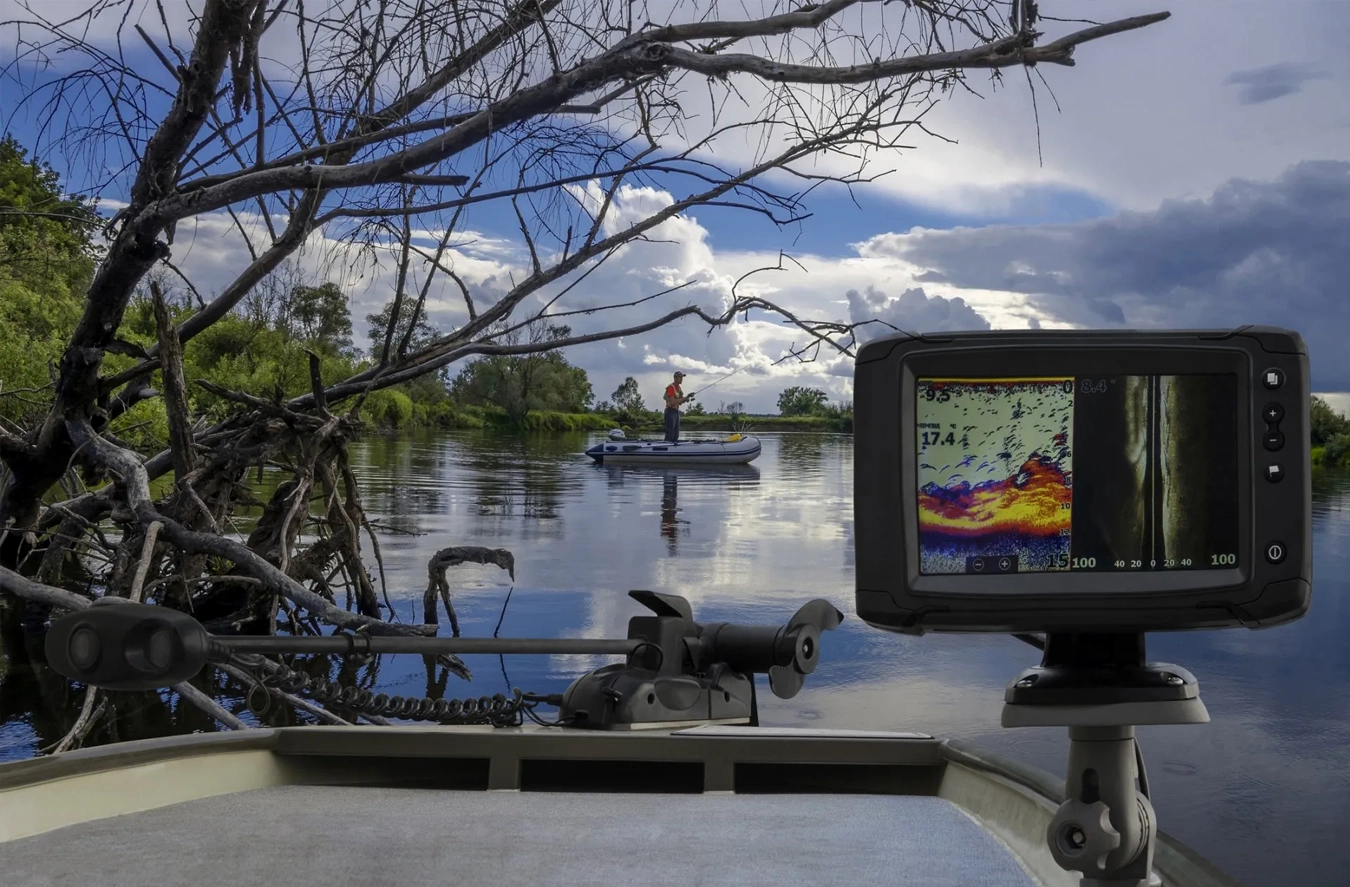
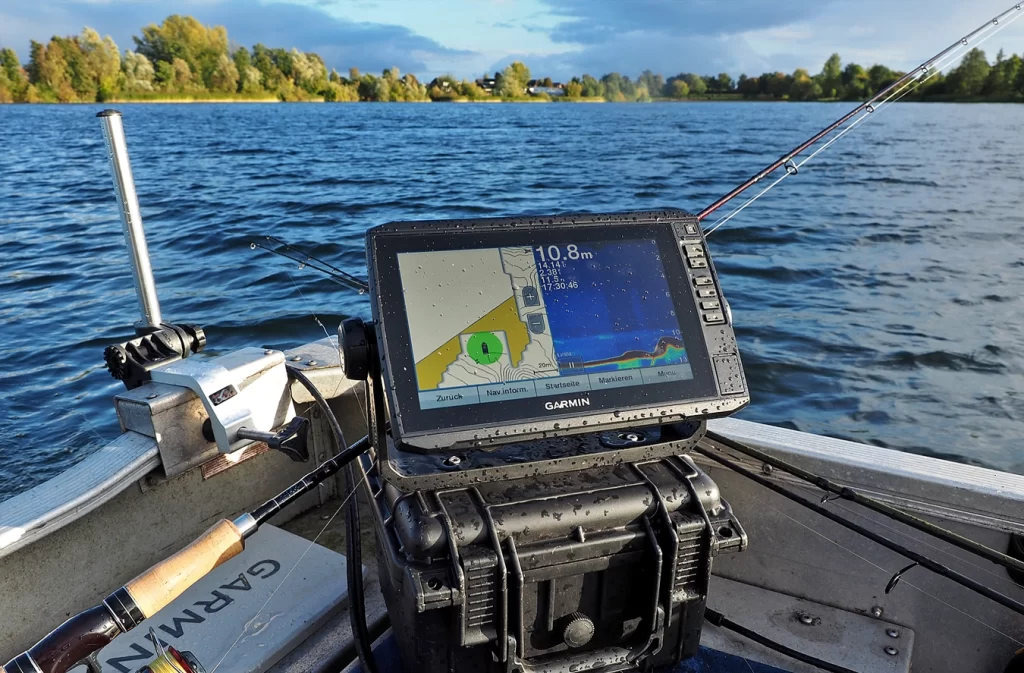
Fishfinders can indeed work when the boat is not moving. When stationary, the sonar waves emitted by the device spread vertically beneath the boat. This vertical scanning provides a detailed view of the water column directly below, helping anglers understand the underwater topography and the presence of fish in that specific area.
Factors Influencing Fish Finder Performance While Stationary
Several factors play a role in the performance of fishfinders while stationary:
1. The Depth of the Water
The depth of the water affects the coverage area of the sonar waves. In deeper waters, the cone angle widens, allowing for a broader scan.
2. Water Conditions and Turbidity
Murky or turbulent waters can scatter sonar waves, reducing the clarity of readings. Clear waters provide better results.
3. Types of Sonar Used Fish Finders Work Not Moving
Different fishfinders use various types of sonar, such as CHIRP or traditional sonar. Each has its advantages for stationary fishing.
4. Cone Angle of the Transducer
A wider cone angle covers more area, but at the cost of detail. A narrower angle provides more precision.
Interpreting Sonar Readings While Stationary
Interpreting sonar readings requires understanding the displayed arches and lines. Arches represent fish, while lines can indicate structures or vegetation.
Benefits of Using Fish Finders When Not Moving
Using fishfinders while the boat is stationary offers several advantages that can significantly enhance your fishing experience. Let’s explore these benefits in detail:
Focused Exploration
One of the key benefits of using fishfinders when not moving is the ability to conduct focused exploration. By staying in one spot, you can thoroughly investigate a specific area of interest. This focused approach allows you to study the underwater terrain, identify potential fish-holding structures, and get a clearer understanding of the underwater ecosystem. Instead of covering a large area with moving sonar, you can delve deep into the details of a particular zone, increasing your chances of pinpointing fish concentrations.
Reduced Disturbance
Fish are known to be sensitive to disturbances in their environment. When your boat is stationary, there’s less commotion in the water compared to when it’s moving. This reduced disturbance can have a positive impact on fish behavior. Fish are less likely to be spooked or scared away by the presence of a stationary boat, giving you a better opportunity to observe their natural behavior and feeding patterns. This can be particularly beneficial when targeting wary or easily spooked species.
Precise Targeting
Using fishfinders while stationary allows you to precisely target fish that are detected on the sonar screen. Once you identify fish arches or signals on the display, you can position your bait directly above the marked fish. This targeted approach increases your chances of enticing bites and hooking fish successfully. Unlike moving sonar, which covers a larger area but might not provide accurate positioning, stationary fish finding enables you to strategically present your bait to the fish you’ve located.
Opportunity for Patience
Successful fishing often requires patience and waiting for the right moment. When using fishfinders while not moving, you have the opportunity to exercise patience. You can give fish ample time to notice your bait, assess it, and make a decision to strike. Since your boat isn’t constantly moving, you create a scenario where fish have the time to react naturally to your presentation. This patient approach can lead to more successful hookups and a more rewarding fishing experience overall.
Environmental Awareness Fish Finders Work Not Moving
Stationary fish finding allows you to gain a deeper understanding of the underwater environment. By observing the sonar readings and the interactions between fish and structures, you can learn about the layout of the underwater landscape. This knowledge can be valuable for future fishing trips, as you’ll have insights into where fish are likely to gather, hide, or feed. Over time, this increased environmental awareness can contribute to your angling skills and success.
In conclusion, using fishfinders when the boat is not moving provides several notable benefits. From focused exploration and reduced disturbance to precise targeting and the opportunity for patience, stationary fish finding can enhance your ability to locate and catch fish effectively. By leveraging these advantages and applying best practices, you can make the most of your fishing endeavors and elevate your angling skills to new heights.
Challenges and Limitations of Stationary Fish Finding
However, there are challenges to consider:
- Limited Area Coverage: Stationary sonar covers a smaller area compared to moving sonar.
- Structure Interference: Bottom structures can obstruct fish signals, leading to misinterpretation.
- Fish Movement: Fish might move in and out of the scanned area over time.
Best Practices for Using Fish Finders in Stationary Mode Fish Finders work, Not move.
To make the most of stationary fish finding:
- Choose the Right Frequency: Match the sonar frequency to the depth you’re fishing in.
- Combine with GPS: Use GPS to mark productive spots for future reference.
- Monitor Continuously: Keep an eye on the sonar to track any changes.
Comparing Stationary and Moving Sonar Readings
Stationary sonar readings offer a more focused and detailed view of a specific area, while moving sonar covers a larger but less detailed area. The choice depends on the fish’s preference and the fishing goal.
Real-World Experiences: Angler Insights
Experienced anglers share varied opinions. Some find success using stationary fishfinders, while others prefer the mobility of moving sonar.
Innovations in Stationary Fish Finding Technology
Advancements continue to improve stationary fish finding, with features like live mapping, side-scanning sonar, and more sophisticated target separation.
Addressing Common Misconceptions
There’s a misconception that fishfinders only work when moving. In reality, modern technology allows for effective stationary use.
Making an Informed Decision: To Move or Not to Move?
Choosing between stationary and moving sonar depends on factors like water depth, fishing area size, and the type of fish being targeted.
Tips for Maximizing Your Success with Stationary Fish Finding
Understanding Stationary Fish Finding
Stationary fishing involves using fishfinder technology while keeping your boat in one location. This technique allows you to thoroughly explore a specific underwater area, improving your chances of locating fish and understanding the underwater ecosystem.
Selecting the Right Fishing Spot
Choosing the right fishing spot is crucial for successful stationary fish finding. Look for areas with promising underwater structures, such as drop-offs, submerged rocks, and vegetation. These structures often attract fish and increase the likelihood of a successful catch.
Choosing the Ideal Fish Finder
Investing in a quality fishfinder is essential. Look for models with advanced sonar technologies like CHIRP or side-scanning capabilities. These features provide clearer and more detailed readings, enhancing your ability to locate fish accurately.
Optimizing Sonar Settings
Take the time to understand and optimize your fishfinder’s sonar settings. Adjust settings such as sensitivity, frequency, and depth range based on the water conditions and your target species. Fine-tuning these settings can significantly improve the accuracy of your sonar readings.
Interpreting Sonar Readings
Learning to interpret sonar readings is a skill that requires practice. Familiarize yourself with the different shapes and sizes of fish arches, as well as other indicators like suspended particles and underwater structures. This knowledge will help you differentiate between potential fish and other elements.
Targeting Specific Species
Different fish species have distinct behaviors and habitat preferences. Research your target species to understand their habits and preferred depths. This knowledge will guide your choice of fishing spot and improve your chances of encountering your desired catch.
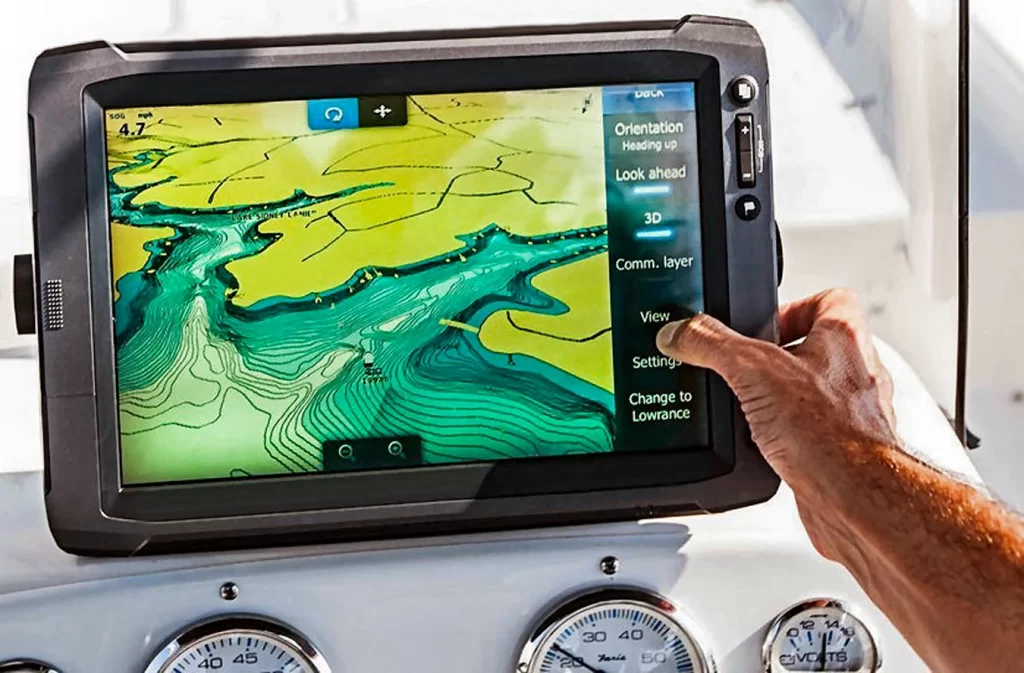
Using Live Mapping Features
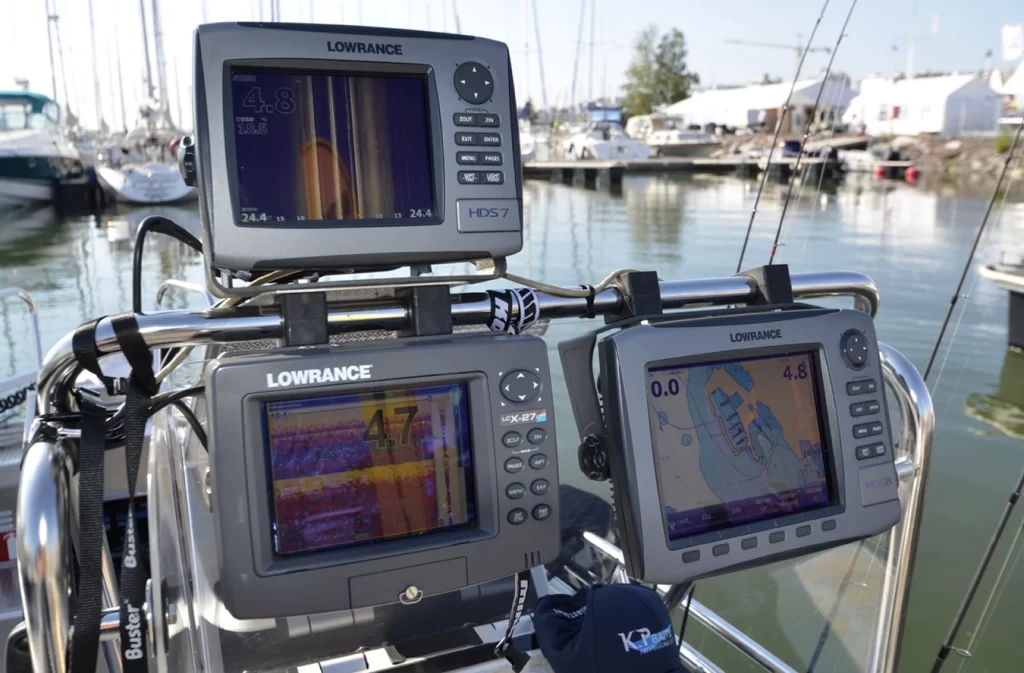
Many modern fishfinders come equipped with live mapping features. These features allow you to create real-time maps of the underwater terrain as you explore. Utilize live mapping to track your movements, mark productive areas, and build a library of fishing hotspots.
Staying Patient and Observant
Patience is a virtue in fishing. When using stationary fishing, give the fish ample time to notice your bait and make a move. Observe sonar readings closely and wait for signs of fish activity. Avoid rushing the process, as the fish may need time to become comfortable with your presentation.
Experimenting with Bait and Lures
Don’t hesitate to experiment with different types of bait and lures. Varying your presentation can attract different fish species and increase your chances of success. Pay attention to which baits elicit the most interest from the fish you’re targeting.
Incorporating Depth Variation
Fish often occupy different depths based on factors like water temperature and food availability. Experiment with fishing at various depths to discover where the fish are most active on a given day. Adjust your bait’s depth accordingly to increase your chances of getting bites.
Adapting to Changing Conditions
Weather and water conditions can change rapidly, affecting fish behavior. Stay adaptable and be prepared to change your strategy if conditions shift. Cloud cover, wind, and water temperature can all influence where and how fish are positioned.
Utilizing GPS Markers
GPS markers are invaluable tools for stationary fish finding. Mark productive spots on your fish finder’s GPS system to revisit them in the future. This allows you to build a repository of successful fishing locations over time.
Mixing Stationary and Moving Techniques
While focusing on stationary fish finding, don’t disregard moving techniques entirely. Combining both approaches can provide a comprehensive view of the underwater environment. Use moving sonar to scan larger areas and locate potential fishing spots, then switch to stationary mode for detailed exploration.
Recording and Learning from Data
Keep a fishing journal to record your experiences and observations. Note the time of day, weather conditions, water temperature, and the fish species you encountered. Over time, you’ll identify patterns that can inform your fishing strategies.
Conclusion: Elevate Your Fishing Game
In conclusion, mastering the art of stationary fish finding requires a combination of knowledge, practice, and adaptability. By following these tips and continually refining your approach, you can elevate your fishing game and increase your success on the water. Remember that fishing is a journey, and each outing provides an opportunity to learn and improve your skills.
Conclusion: Enhancing Your Fishing Experience with Stationary Fish Finders
In conclusion, fishfinders can indeed work when the boat is not moving. Stationary sonar readings offer a unique perspective on underwater conditions and fish presence. By understanding the nuances, utilizing best practices, and adapting to challenges, anglers can enhance their fishing success with stationary fish finding technology.for more updates, click here